
Back-end – the backbone of a web application

Matyáš Caras
11/3/2025 12:00
Creating a web application isn’t just about designing a nice user interface – it’s also about working with data. The so-called back-end (also written as “backend”, both forms are fine) represents everything that happens “in the background” – whether it’s writing or reading data from a database, retrieving information from other servers, or encrypting files.

Další příspěvky
Database Migrations and Seeding

Tereza Pavelková
9/13/2026 18:00
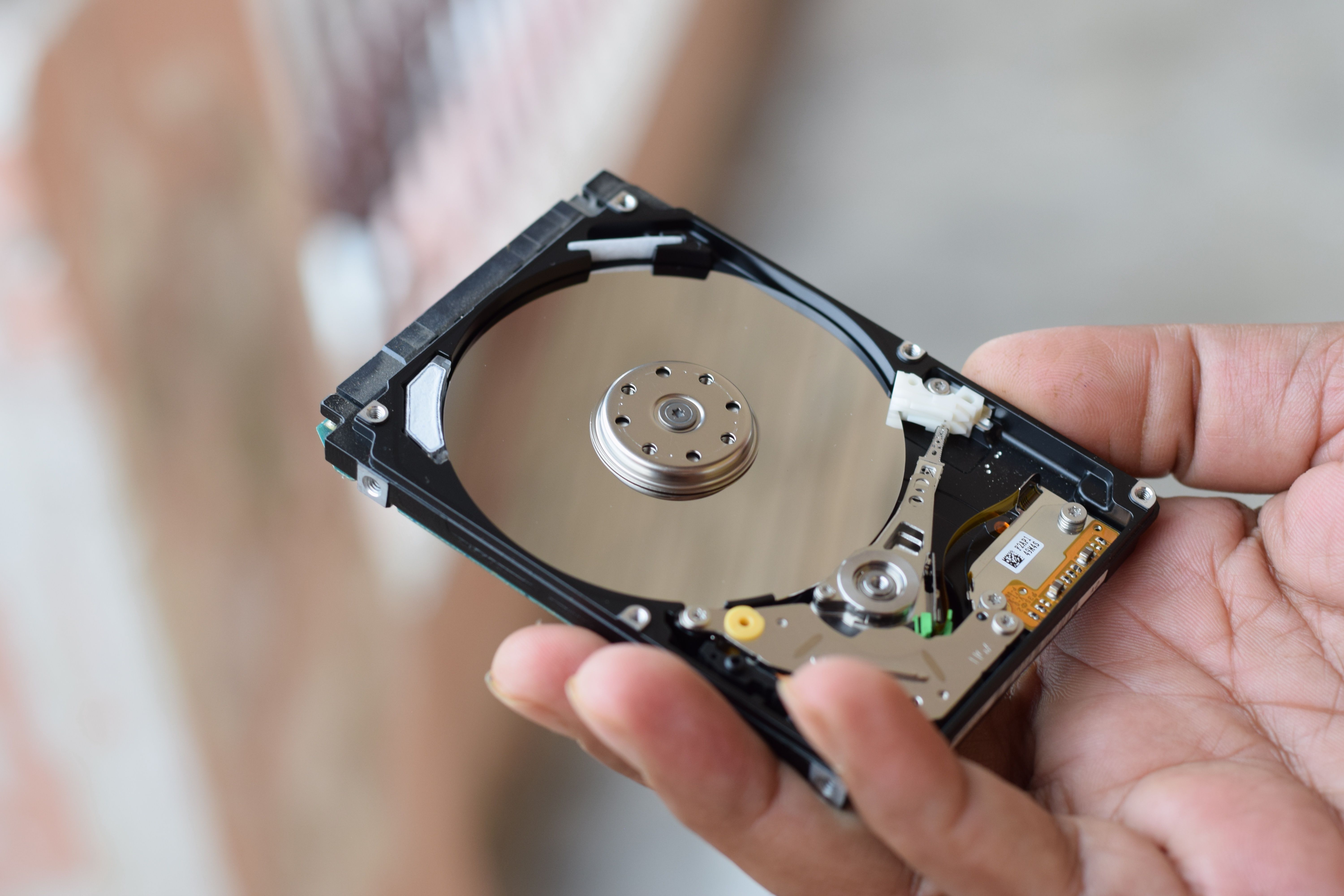
When working in a team, it is important that all members have the latest version of the database. Otherwise, implementation differences may occur, and after a short time, no one will know which version is the correct one. Migrations are used to quickly create a new schema without having to write SQL manually every time. Data is loaded using the same principle; this process is called seeding.

Deploy your app with Docker
Matyáš Caras
11/3/2025 11:30
You’ve finally finished your web application — now it’s time to deploy it to your server. All that’s left is to install packa… wait. Suddenly, you realize that the server is missing most of the tools required to run it. And so, you spend hours studying how to install everything properly. To prevent this exact situation, Docker was created.
Entity-Relationship Diagram
Tereza Pavelková
9/13/2026 18:00
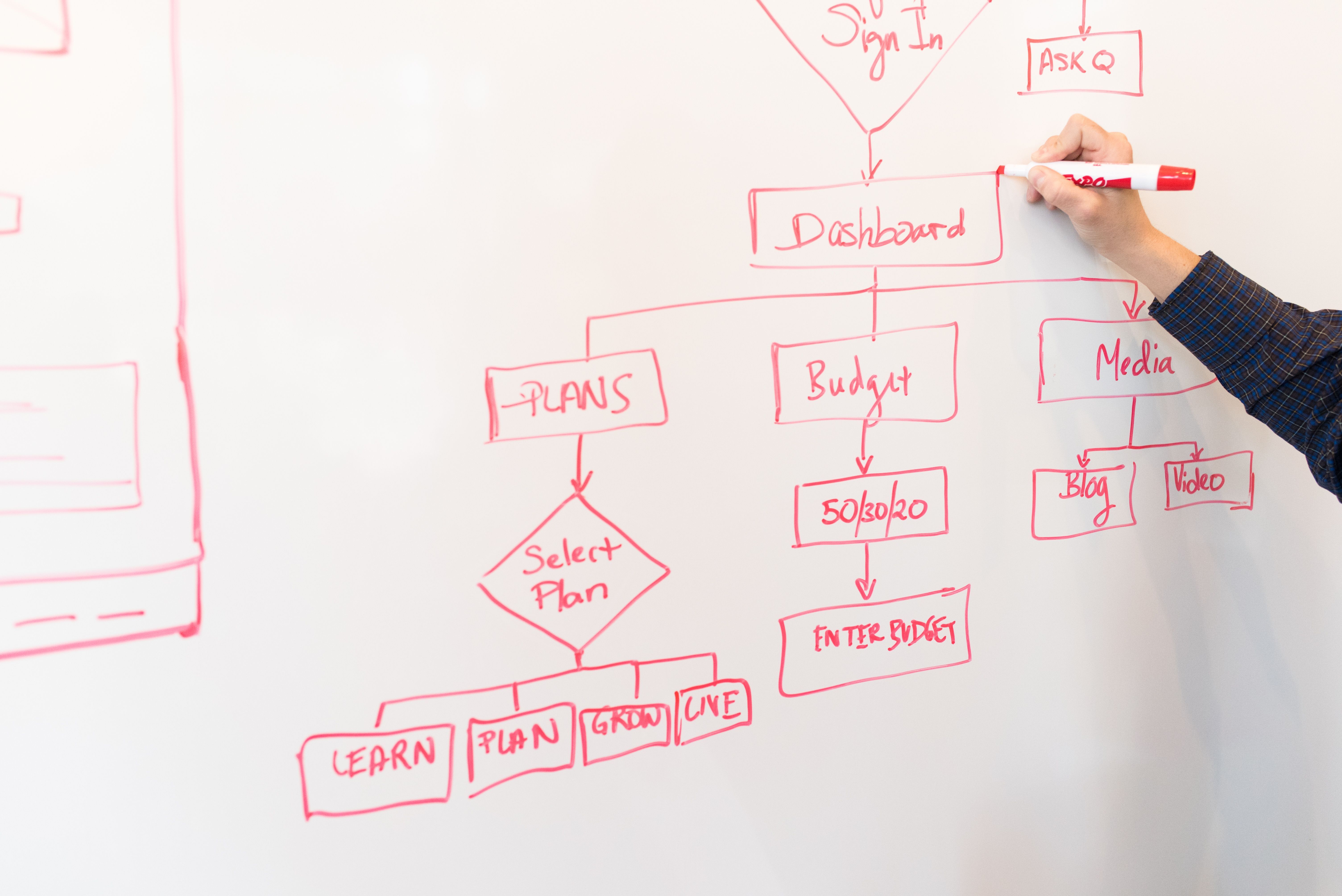
Are you creating a database and running into problems such as relationships between individual tables or figuring out what information you actually need to store and in which table? Instead of constantly changing the database to find out what works best, it is a good idea to draw it first. That is exactly why ERD, or Entity-Relationship Diagram, was created.
Essentials of UI and UX

Marek Sklář
11/3/2025 13:00
When creating any kind of a web application, you will most likely ask yourself two questions: “How do I make my app good?” and “How do I make my app easy and pleasant to use?”. That’s what User Interface and User Experience are all about.
How to Write Your First REST HTTP API

Jan Prokůpek
9/13/2026 18:00
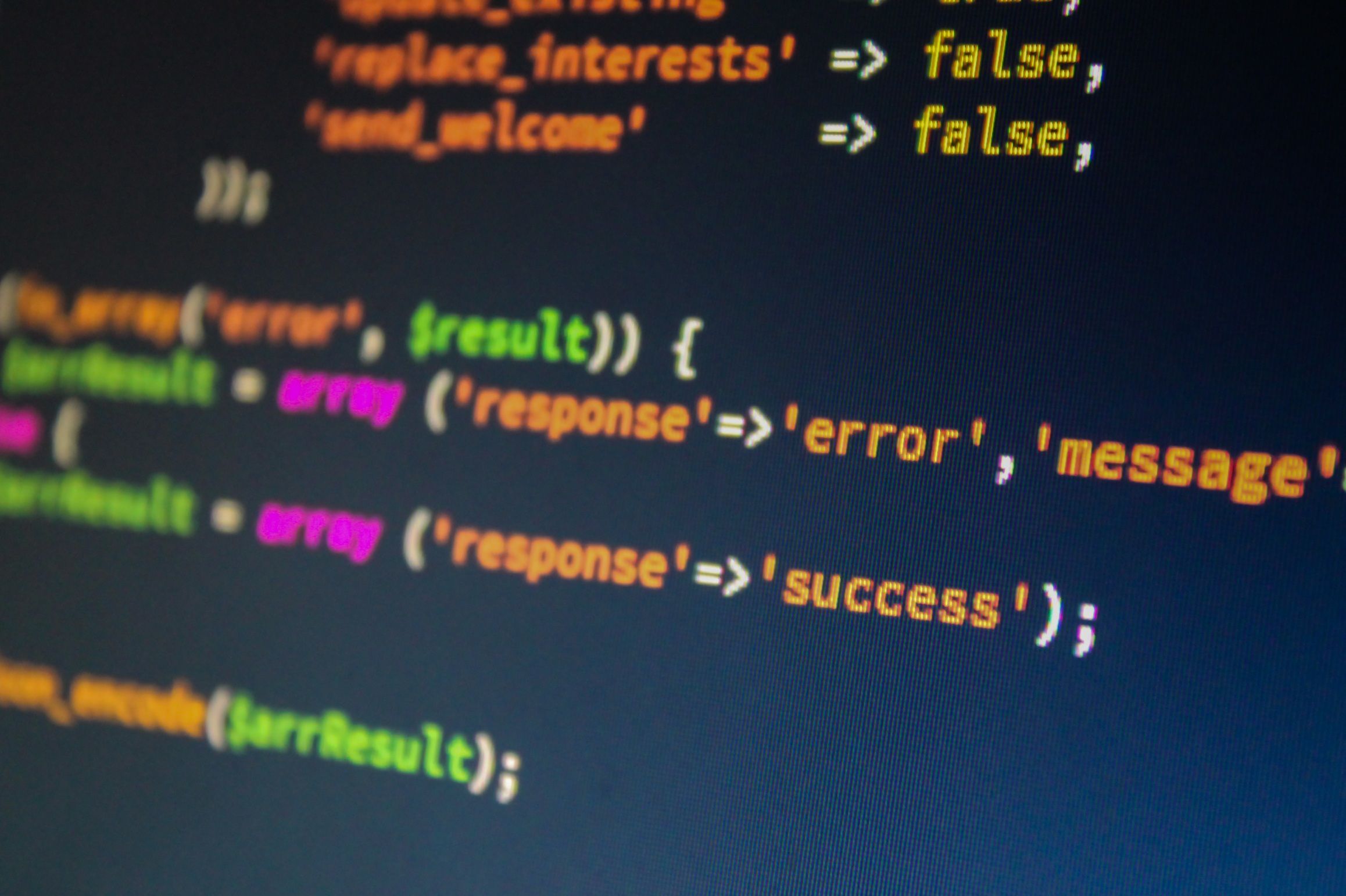
When writing any web application, sooner or later you will encounter the need for communication between the frontend (the user of your application) and the server (the provider and processor of data). An HTTP API is an interface that enables exactly this communication and allows the user of your application to send requests and actions to your backend or request data from it. Communication takes place using requests and responses.
Merge Conflict: The Scary Side of Git Version Control
Matyáš Caras
9/13/2026 18:00
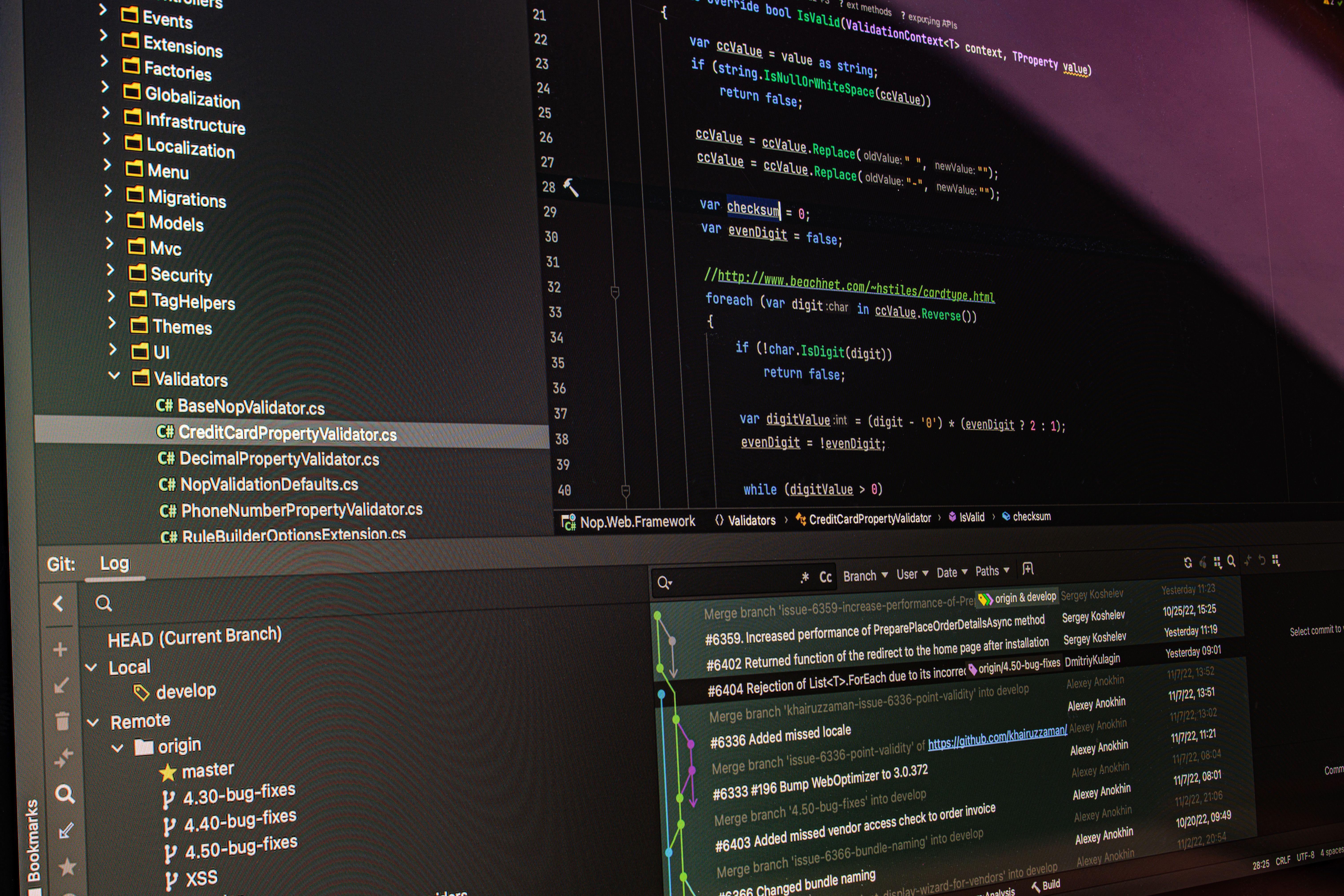
When you work on code as a team, you need some way to share it with each other. In 99% of cases, you will use Git. So you happily keep programming, without realizing that you are working on the same file at the same time. Now you try to download your colleague's changes, but suddenly you see the dreaded message: merge conflict. This message does not necessarily mean disaster. Git can resolve some conflicts automatically, but sometimes you will have to get your hands dirty, so to speak.

Never lose your code with Git
Matyáš Caras
11/3/2025 12:30
Imagine having to write all your code without ever being able to press Ctrl + Z to undo a mistake. Sounds like a nightmare, right? During development, there will be times when you’ll want to return to an earlier version of your code -- and that’s exactly why Git was created.

Web Frameworks and How to Choose the Right One
Jan Prokůpek
9/13/2026 18:00
We live in a time when a new JavaScript framework seems to appear on the internet every other week. Choosing one can be difficult. But what exactly is a framework? In short, it is a collection of libraries and tools that make application development easier. In web development, this often includes some of the following features:
- Automatic page routing
- Input data validation
- Simplified database work (ORM)
- Tailwind support (or another CSS utility framework)
- The ability to extend the framework using community libraries
Working with SQL Queries
Tereza Pavelková
9/13/2026 18:00
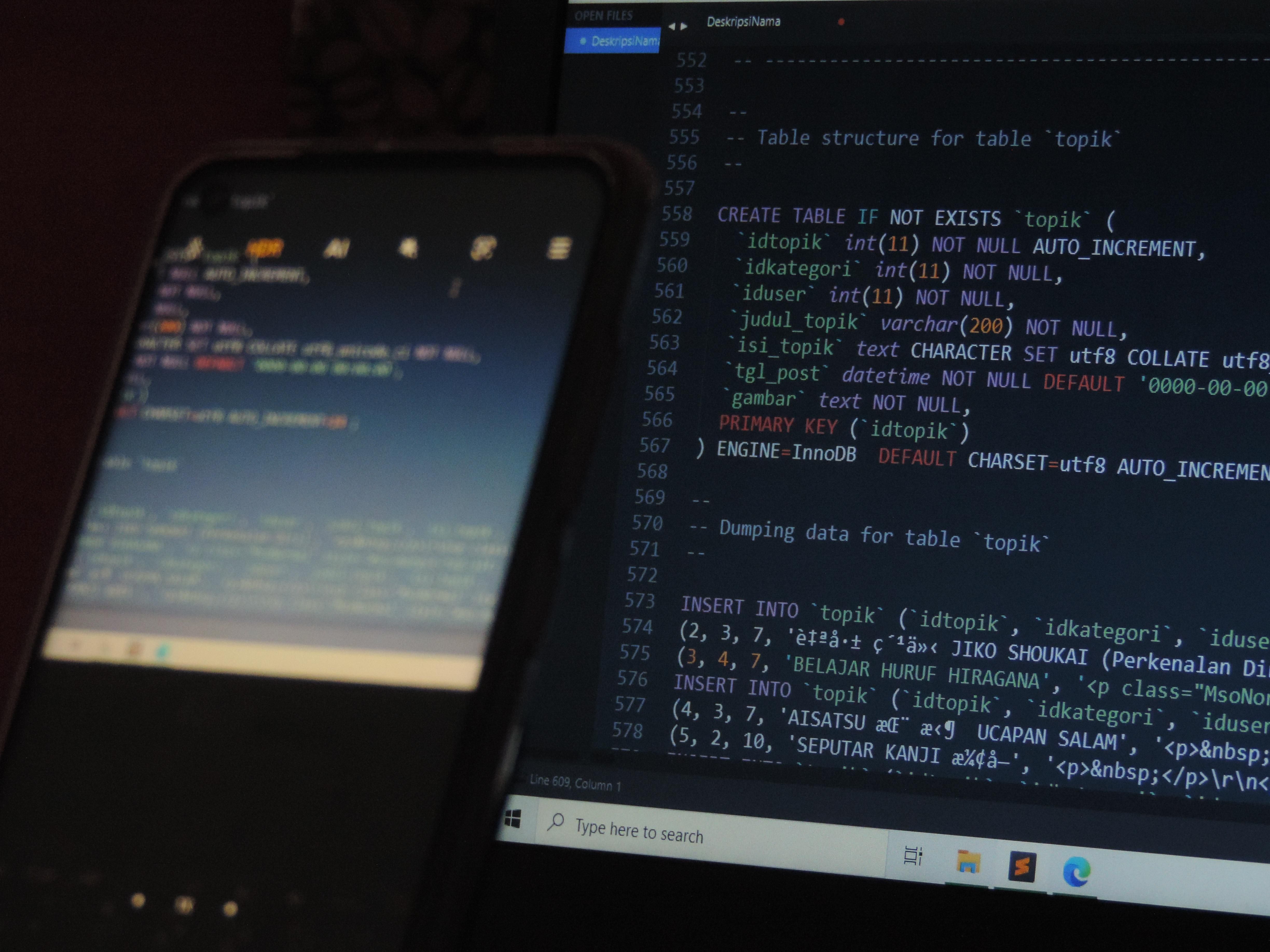
When working with relational databases, we use the declarative query language SQL. One of its great advantages is that its syntax is universal. Whether we choose MySQL, PostgreSQL, or SQLite, the basic logic and commands remain the same. The language is divided into five clear categories depending on whether we are modifying the schema (DDL), working with data (DML, DQL), or dealing with more advanced database management such as transactions and access rights (TCL, DCL).